
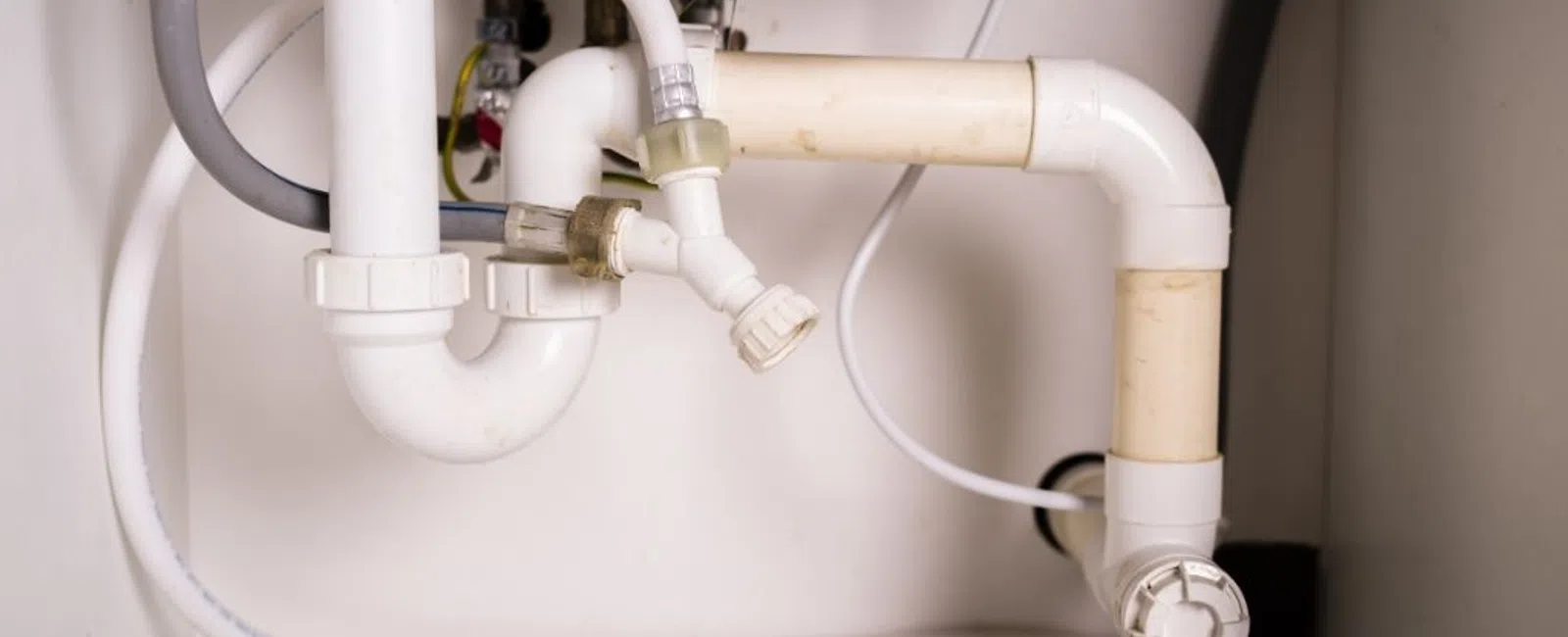
The difference between an S-trap and a P-trap comes down to a single flaw in the S-trap shape that lets it siphon its own water seal dry, and a dry trap is an open pipe to the sewer. Both traps hold a small pool of water in a curved section of drain pipe, and that water is the barrier that blocks sewer gas from rising into the house through the sink or tub.
The way each one connects to the rest of the drain system determines whether that water barrier stays put or gets pulled out every time the fixture drains. That is why the S-trap has been written out of modern plumbing code and the P-trap is the standard, and why older homes across North Georgia still carry S-traps that quietly let sewer gas indoors.
How a Plumbing Trap Works
Every fixture that drains into a sewer or septic system needs a trap, which is the curved piece of pipe directly below a sink, tub, or shower. After water runs through it, a small amount stays trapped in the bend, forming a water seal. That seal is the only thing standing between the living space and the gases inside the drain and sewer lines. Hydrogen sulfide and methane from the sewer are heavier concerns than a bad smell, since in enough concentration they are hazardous, and the trap seal is what holds them back. The entire question of S-trap versus P-trap is really a question of which design keeps that seal intact.
| Feature | S-Trap | P-Trap |
|---|---|---|
| Shape | Curves down, up, then straight down again | Curves down, up, then horizontal into the wall |
| Vented | No, drops straight to the drain | Yes, ties into a vented drain line |
| Water seal | Siphons itself dry as the fixture drains | Stays intact, vent breaks the suction |
| Sewer gas | Can enter the room through the dry trap | Blocked by the maintained water seal |
| Code status | No longer permitted under modern code | Current standard for fixture drains |
What an S-Trap Is and Why It Fails
An S-trap curves down from the drain, back up, and then turns straight down again toward the floor, forming an S lying on its side. That final downward drop is the problem. When the fixture drains, the column of water falling through that vertical section creates suction behind it, and that suction pulls the water out of the trap along with it.
The result is self-siphoning, where the trap empties itself and breaks its own seal. Once the seal is gone, the drain sits open to the sewer until the next time the fixture is used and refills the bend. In the meantime, sewer gas has an open path into the room. This is the reason an S-trap is no longer allowed under modern plumbing code in the United States, and why a plumber flags one during any inspection.
What a P-Trap Is and Why It Is the Standard
A P-trap curves down and back up like the S-trap, but instead of dropping straight down again, it turns horizontally and ties into a vented drain line in the wall. That connection to a vent is the entire difference. The vent lets air into the drain line behind the draining water, which breaks the suction before it can siphon the trap dry. The water seal stays in the bend where it belongs, and sewer gas stays in the pipe. A P-trap laid on its side looks like the letter P, with the horizontal arm running to the wall. Every sink, tub, and shower installed under current code uses a P-trap tied into proper venting, which is why it is the standard fixture drain in every modern home.
How to Tell Which One a Fixture Has
The shape of the drain under the fixture reveals which type it is. A trap where the pipe curves and then drops straight down through the floor or cabinet base is an S-trap. A trap where the pipe curves and then runs horizontally into the wall is a P-trap. Homes built before the 1970s, and additions or bathrooms plumbed without a permit, are the most likely places to find an S-trap still in service. A recurring sewer smell at a particular sink or tub, especially one that comes and goes rather than staying constant, is a common sign that a trap is siphoning dry between uses.
Converting an S-Trap to a P-Trap
Replacing an S-trap with a P-trap is not as simple as swapping the pipe under the sink, because the P-trap needs a vent to function, and an S-trap fixture usually does not have one nearby. The conversion often requires tying the drain into an existing vent stack or adding a vent, which is work that belongs with a licensed plumber who can do it to code.
In some layouts where running a new vent is impractical, a plumber may use an air admittance valve, a one-way vent that lets air into the line without a full vent stack, where local code permits it. Either way, the fix restores a stable water seal and closes off the sewer gas path for good.
Why This Matters in North Georgia Homes
The older housing stock across Metro Atlanta, from mid-century homes in the established parts of Roswell and Alpharetta to farmhouses in the outer counties, frequently still has S-traps that predate current code and were grandfathered in. Unpermitted DIY sink and bathroom installations add more of them.
We find and correct these during service calls and inspections, converting S-traps to properly vented P-traps so a home is not letting sewer gas in through a fixture that looks and works fine day to day. Because the trap and the vent have to work together, this is a job where doing it to code is what actually solves the problem rather than masking it.
Recurring Sewer Smell? Your Trap May Be the Cause
We have served North Georgia homeowners for generations, backed by more than 100 years of combined plumbing experience. When a sink or tub carries a recurring sewer smell, or an inspection turns up an S-trap, the team will assess the drain and venting and convert it to a code-compliant P-trap. Flat-rate pricing is agreed before the work starts and a satisfaction guarantee. Call 404-946-5263 today.


